
How Regular Oil Changes Protect Your Engine
Simple maintenance with long-term benefits.
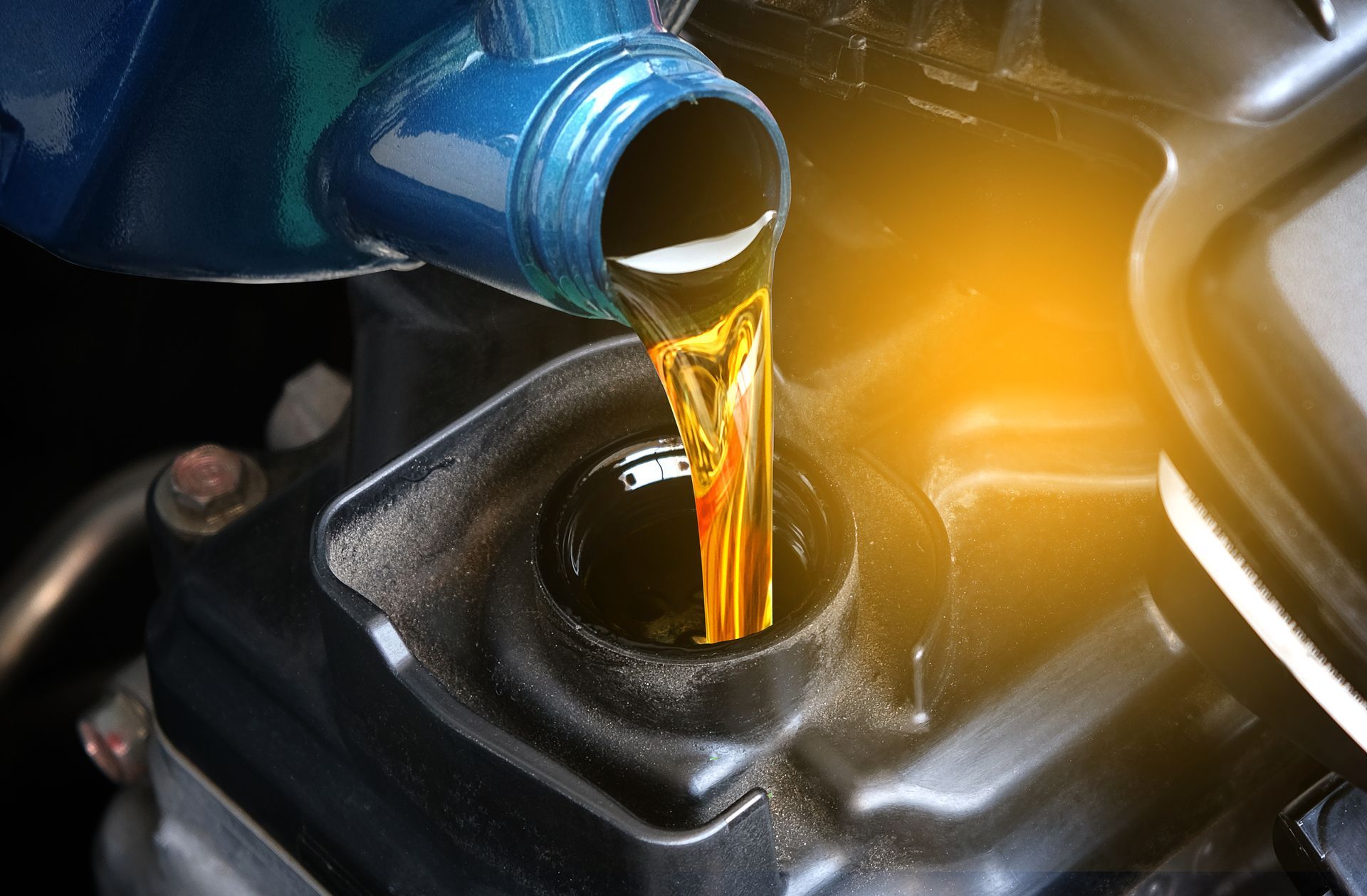
Keeping your vehicle running smoothly does not always require complex repairs or major investments. In fact, one of the most effective ways to protect your engine and extend the life of your vehicle is also one of the simplest: regular oil changes. At Sparks Auto Group, we see firsthand how consistent oil maintenance can make the difference between a reliable engine and one facing premature wear or costly repairs. For drivers in Hopkins, MN and the surrounding area, understanding why oil changes matter can help you make smarter decisions about your vehicle’s long-term care.
Why Engine Oil Matters More Than You Think
Engine oil does far more than just keep parts moving smoothly. It lubricates internal components, reduces friction, helps regulate engine temperature, and carries contaminants away from critical areas. Every time you start your car, oil flows through the engine to protect metal surfaces from grinding against one another. Without clean oil, that protection breaks down quickly.
Over time, oil naturally degrades. Heat, combustion byproducts, and microscopic metal particles contaminate the oil, reducing its ability to do its job effectively. Even modern synthetic oils, while more durable, eventually lose their protective qualities. Regular oil changes ensure that your engine is always operating with oil that can properly lubricate, cool, and clean vital components.
Preventing Engine Wear and Internal Damage
One of the most important benefits of regular oil changes is preventing internal engine wear. Engines contain hundreds of moving parts working together at high speeds and temperatures. When oil becomes dirty or thick, it cannot properly coat these components, allowing friction to increase. This friction leads to accelerated wear on bearings, pistons, camshafts, and other essential parts.
We often remind drivers that engine damage does not usually happen all at once. It develops gradually. Skipping oil changes may not cause immediate problems, but over time it can lead to reduced performance, increased oil consumption, and eventually serious mechanical failure. Routine oil service is a preventative step that helps avoid these long-term issues.
Supporting Proper Engine Temperature Control
Oil also plays a critical role in managing engine temperature. While the cooling system handles most heat regulation, oil absorbs and dissipates heat generated by internal friction. When oil breaks down, it loses this ability, causing engine temperatures to rise. Excessive heat can warp components, damage seals, and contribute to oil sludge buildup.
In Hopkins, MN, where vehicles experience seasonal temperature changes, proper oil condition becomes even more important. Cold starts in winter and heat stress in summer both place added demands on engine oil. Staying on schedule with oil changes helps ensure your engine can adapt to these conditions without unnecessary strain.
Improving Performance and Fuel Efficiency
Clean oil allows your engine to operate more efficiently. When internal components move freely with minimal resistance, the engine does not have to work as hard to produce power. This often translates into smoother acceleration, quieter operation, and improved fuel efficiency.
Dirty oil increases drag inside the engine, forcing it to use more energy to perform the same tasks. Over time, this inefficiency can lead to noticeable drops in gas mileage. Regular oil changes help maintain optimal engine performance and can save you money at the pump by supporting efficient operation.
Reducing the Risk of Costly Repairs
Engine repairs are among the most expensive automotive services a vehicle owner can face. Many of these repairs are preventable with consistent maintenance. Sludge buildup, oil starvation, and overheating are common causes of engine failure, and all are closely tied to neglected oil changes.
We often explain to customers that oil changes are a small investment compared to the cost of engine repair or replacement. Staying ahead of oil maintenance allows us to monitor engine condition over time and catch early warning signs before they turn into major problems.
Understanding Oil Types and Service Intervals
Not all oil changes are the same. Modern vehicles may require conventional, synthetic blend, or full synthetic oil depending on engine design and driving habits. Using the correct oil type and viscosity is essential for proper protection. Manufacturer recommendations are based on extensive testing and should always be followed.
Service intervals can also vary. Some vehicles may require oil changes every 3,000 to 5,000 miles, while others can go longer with synthetic oil. Driving conditions matter as well. Frequent short trips, stop-and-go traffic, towing, or extreme temperatures may require more frequent oil changes. Understanding how you drive helps determine the best maintenance schedule for your vehicle.
Oil Changes as an Opportunity for Preventative Inspections
Another advantage of regular oil changes is the opportunity they provide for routine inspections. During an oil service, we can check fluid levels, look for leaks, and inspect components such as belts and hoses. These quick checks often reveal minor issues before they become serious concerns.
Preventative maintenance is about staying ahead of problems, not reacting to breakdowns. Oil changes serve as a natural checkpoint for assessing your vehicle’s overall condition and planning future maintenance proactively.
Building Long-Term Vehicle Reliability
For many drivers, a vehicle is a long-term investment. Whether you plan to keep your car for years or eventually sell it, regular oil changes help preserve its value. A well-maintained engine is more reliable, performs better, and has a longer service life. Maintenance records showing consistent oil service also demonstrate responsible ownership.
At Sparks Auto Group, we believe reliable transportation starts with simple habits done consistently. Oil changes may seem routine, but they are foundational to everything else your engine depends on.
Making Oil Maintenance Part of Your Routine
The best approach to oil changes is consistency. Setting reminders, following manufacturer guidelines, and paying attention to warning lights or changes in engine behavior can help keep you on track. Modern vehicles often provide oil life monitoring systems, but these should be treated as guides rather than excuses to delay service.
By prioritizing regular oil changes, you are taking an active role in protecting your engine, improving performance, and reducing long-term repair costs. It is one of the easiest ways to ensure your vehicle remains dependable for daily driving and beyond.